In the 2004 film The Terminal, Tom Hanks plays Viktor Navorski, a man stranded at an airport in New York. His country undergoes a sudden military coup while he’s in mid-flight. Upon landing, his passport is no longer recognised. He can’t return home, nor can he enter the United States. So . . . he waits. For months, Viktor lives in the airport terminal—returning trolleys for spare change, making friends, and somehow keeping hope alive.
Four years ago, I, too, found myself waiting. Not in an airport terminal, but in hospital waiting rooms. Unlike Viktor, I wasn’t hopeful. Not then.
The Dreaded Waiting Room
It began with a long-overdue scan. Caught up in the busyness of motherhood, regular medical check-ups slipped further and further down the to-do list. When I finally made it to the appointment, the result was both unexpected and devastating shock—it was cancer.
With the diagnosis, my days were suddenly scheduled around hospitals and waiting rooms. The appointments were endless—for scans, discussions, and sometimes painful procedures.
I wanted it to stop—the appointments, the fear, the apprehension. But they didn’t. I had to keep showing up at the hospital. I had to wait. And I hated it. The more I waited, the more afraid I became.
The Emotional Reality
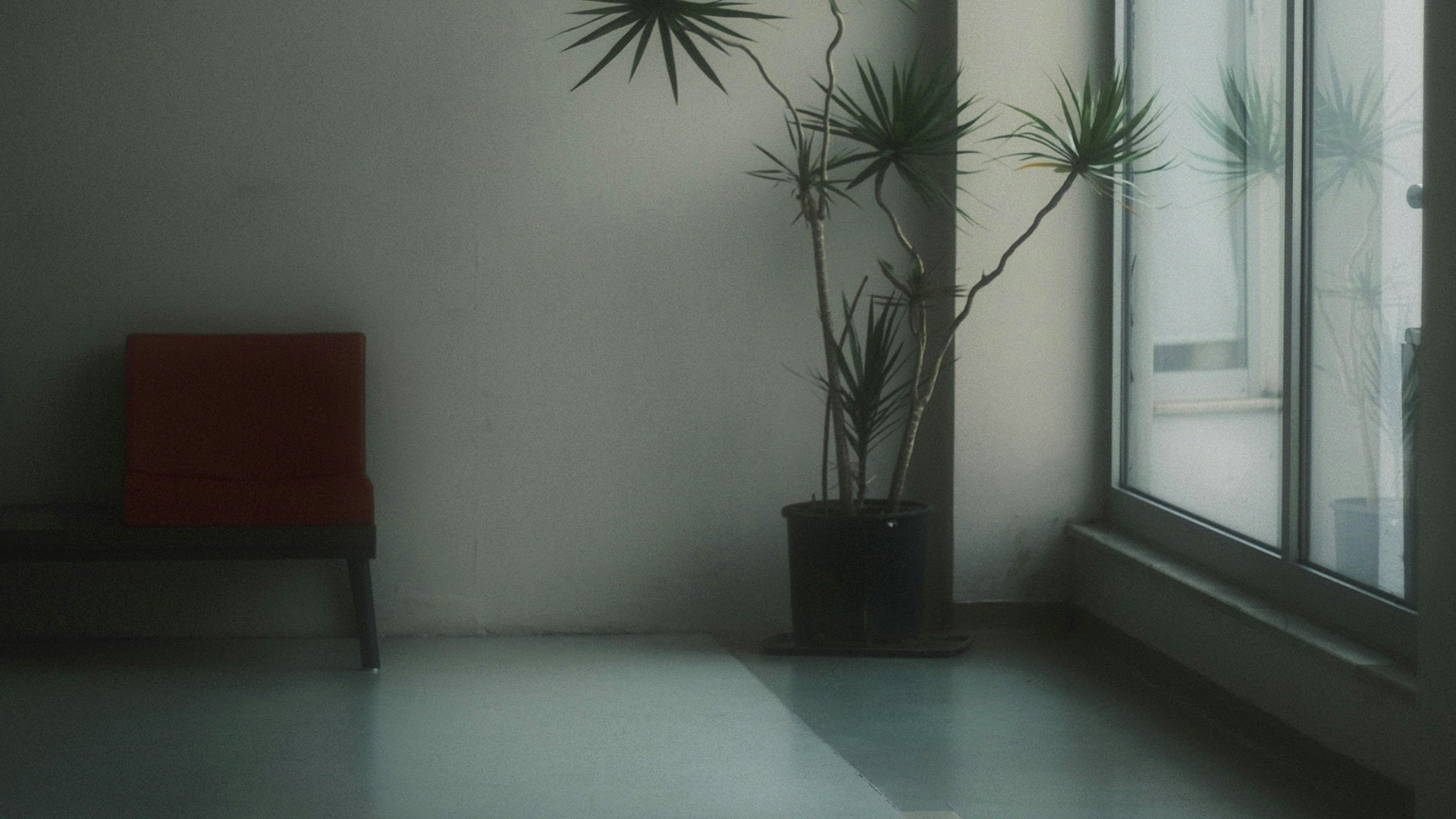
The visits became so frequent that I found “favourite” chairs in each waiting room—seats tucked away from the merciless blast of the aircon, just distant enough from others so I wouldn’t feel self-conscious when tears flowed.
I tried smiling at the receptionists, phlebotomists, and nurses (who by then knew me by name). But inside, my thoughts were spiralling. Every scan and consultation brought with them a new set of fears. What if the cancer had spread? What if I needed more aggressive treatment? What would happen to the family if I couldn’t be there for them?
I was emotionally spent. Before every appointment, my heart pounded and my stomach churned. Sleep became elusive. For a time, I relied on sleeping pills—my mind simply refused to settle.
Even when I managed to feel calm beforehand, something shifted the moment I stepped into the doctor’s room. My heart would race and I would struggle to process the torrent of information. What I did manage to catch was often enough to leave me emotionally drained.
At other times, fear gave way to despair—another test, another week of waiting, another stark reminder that I wasn’t in control. On some days, I felt angry and questioned “why me?” Other days, I just felt numb.
I don’t know exactly when things began to shift. But somewhere along that long journey of waiting, I turned to God. Not in a glowing, inspirational way—more like a faint cry for help, uttered between tears.
And in that broken state, God met me.
The Humanness of Waiting
The Bible is full of people who waited. While waiting, they were downcast, despaired, and depressed.
Hannah poured out her soul to God in deep anguish, weeping bitterly as she prayed for a child (1 Samuel 1:10–16). Her longing ran so deep that the priest mistook her desperation for drunkenness. Her waiting wasn’t calm or composed—it was marked by misery, misunderstanding, and tearful prayers.
Then there was Joseph. His journey of waiting stretched over years—first as a slave, then a prisoner, and finally as a powerful leader in Egypt. Even then, the longing for reconciliation with his brothers hadn’t left him. When they finally stood before him, he wept—again and again (Genesis 42:24, 43:30, 45:1–2). The weight of betrayal, years of separation, and the pain of hiding his identity all came to a head. His waiting was filled with deep ache, grief, and hope.
These Bible stories showed me that my emotions weren’t signs of weak faith—they were simply part of being human.
David’s psalms, too, are filled with longing, lament, and waiting: “How long, LORD? Will you forget me forever?” (Psalm 13:1). “My soul is in deep anguish. How long, LORD, how long?” (6:3). His prayers were desperate cries from someone who waited painfully for God to show up.
These Bible stories showed me that my emotions weren’t signs of weak faith—they were simply part of being human. And God wasn’t surprised or put off by them. He welcomed my brokenness.
Faith doesn’t mean faking peace. Neither does faith cancel out fear or sadness. And God doesn’t just tell us “be strong!” without showing us how.
David wrote, “When I am afraid, I put my trust in you” (56:3). Not after the fear passed, but right in the fear. I had to learn that—to bring Him my fear, my questions, my trembling hands. And little by little, I was able to sleep . . . without the help of sleeping pills.
The Sacred Encounters
As I turned to Him hesitantly, I began noticing His presence. Not through grand miracles, but in quiet yet tangible ways.
There was the kind doctor who patiently answered my many questions. Even the thoughtfully placed box of tissues—ready for the tears that might come—reminded me of God’s tender, personal care.
During the Covid-19 pandemic, strict no-visitor rules in hospitals meant that I had to check in for surgery by myself. The wait to be wheeled in was agonising—I was cold, scared, and very lonely. But God knew. At just the right moment, a friend called. She didn’t try to fix anything. We simply read Psalm 8 together.
Through that, God reminded me that notwithstanding no-visitor rules, He still sees and cares. As v. 4 says:
“What is mankind that you are mindful of them,
human beings that you care for them?”
These weren’t coincidences. These were assurances of God’s presence in the waiting. When no one else could be with me, He surely was.
Life’s Waiting Rooms
Thankfully (and hopefully), many of us will never have to sit in an oncology waiting room. But we all face other kinds of waiting rooms—the anxious wait for a child’s major exam results or school placement outcome, the aching wait for a prodigal child to return to faith, the frustrating wait for a rebellious teenager to mature. We long for answers, healing, and clarity. As parents, we carry not just our own waiting but our children’s, too. So how do we wait well when answers don’t come and even prayer feels hard?
As we wait, we can look to Jesus for guidance. In Gethsemane, He “began to be sorrowful and troubled”, and allowed himself to feel the full weight of waiting (Matthew 26:37). His response shows, teaches, and guides us as we wait:
1. Bring trusted companions.
Jesus didn’t walk through it alone. He took Peter, James, and John with Him (v. 37). I was blessed with a few trusted friends who checked in regularly, shared Scripture, and didn’t try to fix me—they simply stayed close. Ask God to send you trusted companions. And when they come, be willing to let them in.
2. Rest in God’s will.
The only way forward was to surrender and trust.
At the climax of His painful wait, Jesus cried out, “Not as I will, but as you will” (v. 39). Though Jesus prayed for the cup to pass, He submitted to the Father’s will. That, I found incredibly hard. The most difficult part of my cancer journey was waiting for a set of overseas lab results that would determine my treatment. I was terrified, dreading how it might affect my family, my body, even how I would look. I didn’t want such a “cup”. But somewhere in that wait, I realised: the only way forward was to surrender and trust.
3. Fix your eyes on Him.
As Jesus submitted to God’s will, He remained focused on His Father, trusting His plan and drawing strength from Him to sustain Him through the tortuous pain of crucifixion. When I kept my eyes on God, His promises gave me the much-needed strength to endure. One verse that stayed with me was Isaiah 43:2: “When you pass through the waters, I will be with you . . . they will not sweep over you.” God doesn’t always take the hard things away—but He promises to be with us through them.
The God Who Waits With Us
These days, life has settled back into its familiar rhythm. Thankfully, my health is stable, and I’ve resumed the routines of family and work. But something within me has shifted. I carry with me a quiet confidence. An assurance born from knowing that the God who waited with me then is still near today.
The waiting room may not be where we want to be. But it may be exactly where we meet Him anew. I know this because I’ve waited. And though it was painful, I never waited alone.
God was always there—holding me through it all.