Home is supposed to be a safe and nurturing place for children.
But this wasn’t always the case for me, growing up under a “tiger mum”.
As the youngest of three, I was constantly compared to my older brother and sister, who were both high achievers in school (they’re both doctors today).
While my mum had good intentions, it didn’t always feel that way—especially when I felt like I was constantly falling short as the “black sheep” of the family.
I’m now in my early twenties. We’re okay now, by God’s grace. Over the years, He restored my relationship with my mum. Having had the opportunity to reflect on our relationship, here are four things I wish all parents would know:
1. Don’t compare your kids.
Your children will definitely experience comparisons. They might be compared to their siblings, cousins, or classmates, or they might compare themselves with their friends—whether it’s to do with grades or something as seemingly insignificant as shoes, backpacks, or pencil cases.
This means that every day and everywhere they go, your children are constantly facing comparisons, which can result in many of them feeling like they’re not good enough. While comparing your children to others may seem like an easy way to incentivise them to “buck up”, it can often have the opposite effect and discourage them instead.
They can end up not feeling safe, welcome, or comfortable enough to talk to you because an invisible barrier reminds them that they’ll never be “good enough” for you.
Every day and everywhere they go, your children are constantly facing comparisons, which can result in many of them feeling like they’re not good enough.
As their first “mirrors” in life, parents have a responsibility to impress God’s truths upon their children—including the truths that He has made each one of them fearfully and wonderfully (Psalm 139:14) with their own unique strengths and weaknesses, that He loves them with a steadfast love and faithfulness, and that “godliness with contentment is great gain” (1 Timothy 6:6).
2. Put your phone away and be present.
As a child, my mum worked long hours at the office, which meant that I only saw her at dinnertime. Sometimes, I’d be busy with homework when she returned, so we didn’t always get to talk then.
But one thing she always made sure to do was to come to my room every night to ask me about my day and to pray for me. That was really important for me growing up.
Children might have many things they would like to talk to their parents about but may feel that there isn’t a good time or space to do so. Or, when they do try to tell you something, they might feel like you’re not really listening.

As parents, you may not realise that most of the time when you speak to your children, you’re actually issuing them instructions. There is, of course, a time and place for instructing and correcting them. But there is also a time and place for simply listening to them so that you can better know and understand them—their thoughts, hopes, worries, dreams, and fears.
You may not realise that most of the time when you speak to your children, you’re actually issuing them instructions.
Listening is not just important in parent-child relationships, but in all relationships. As James 1:19 points out, “everyone should be quick to listen [and] slow to speak”.
At one point in my life, I felt that my mum didn’t understand me. I loved photography and whenever I tried to show my photos to my mum, she would just brush me off with an “oh, that’s nice.” So, at some point, I stopped trying to share with her and help her understand what photography truly meant to me.
While many parents may be busy with work and other commitments, one thing you can do when you’re home is to put your phones away and simply be present with your children. In doing so, your children will know that you value them and, over time, share more and more of their lives with you —giving you a precious opportunity to counsel them with God’s Word at the right time.
3. It’s okay to apologise to your child.
All parents are “first-time” parents, which means that you are bound to make mistakes in the course of raising your children. And it’s okay to apologise when that happens.
As time passes, some parents might hold onto pride such that it becomes harder and harder to apologise.
But having the humility to recognise your mistakes and seek your children’s forgiveness can help foster reconciliation with them.
Once, after an especially huge argument about my studies, my mum was heartbroken. She felt convicted by God’s Word about how she had been raising me and she repented. She came to the realisation that I was different from my elder siblings—and needed to be parented differently.
She decided to take a step back from her “tiger parenting” methods, let go of her anxiety and worry over my grades, and put her faith in God that He would see me through my O-Level exams.
Having the humility to recognise your mistakes and seek your children’s forgiveness can help foster reconciliation with them.
As she learnt to commit me to the Lord, she also became more approachable and made an effort to listen before speaking (James 1:19). Instead of imposing her choices on me, she supported my enrolment into polytechnic to pursue something I was passionate about. My grades stabilised. Not only that, our relationship markedly improved from then on.
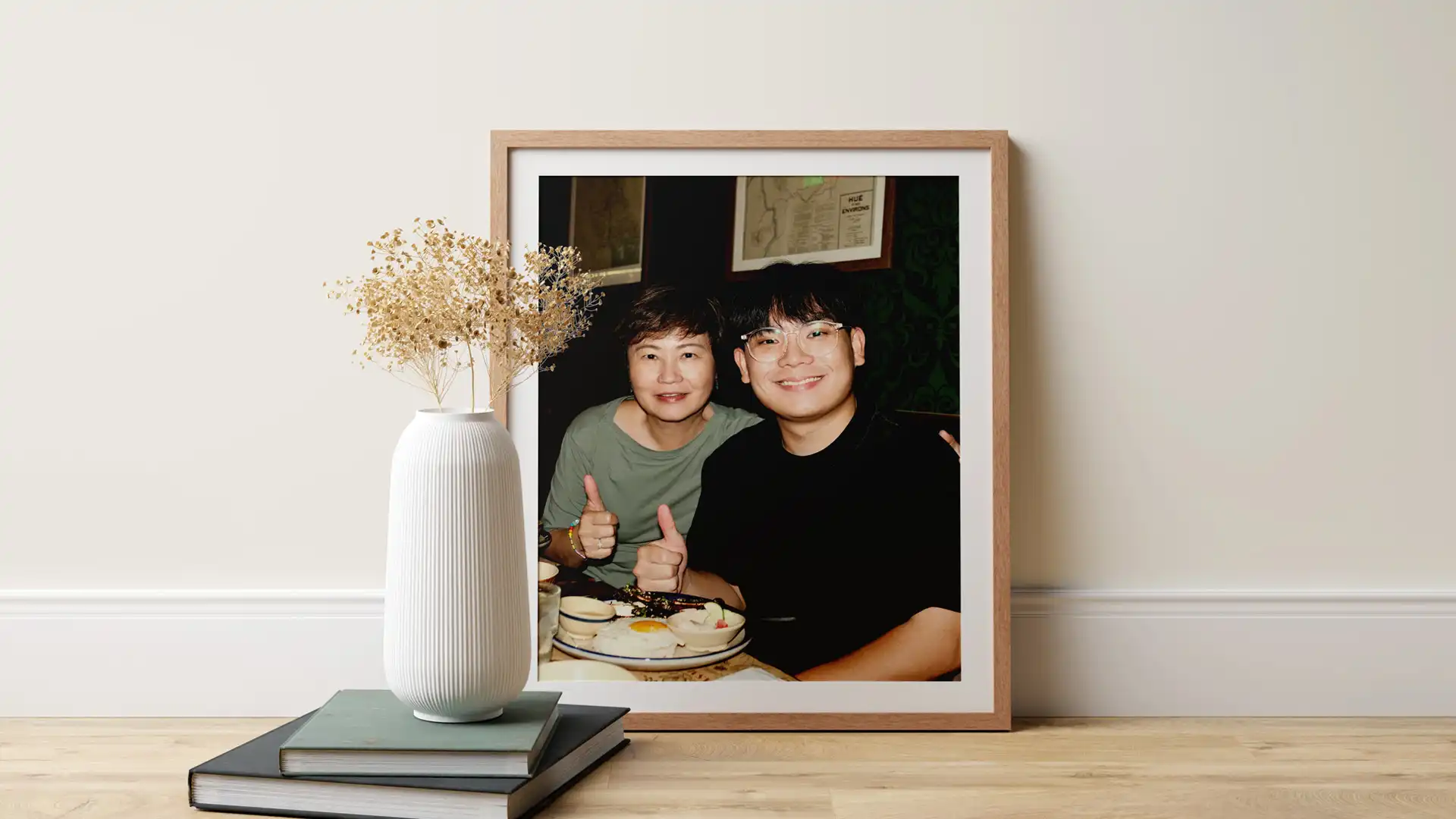
From being a tiger mum, my mother eventually became one of my closest friends in my twenties.
These days, when I return home, I make it a point to knock on her door and share about my day—just like what she did for me growing up. At times, she, too, would share about her life and even occasionally ask me for advice on the decisions she was making.
4. Care about the right things.
Growing up, my mum emphasised the need to get good grades and come out tops in class so that we could have the best possible future ahead.
There’s nothing wrong with that and there’s certainly value in doing our best, but developing your children’s character is so much more important than building up their academic portfolio.

If you drill into your children that grades are all that matters, they may grow up believing that they must be the best no matter what—even at the expense of their relationship with God, or they may regard their peers as just competitors rather than people whom they could potentially nurture life-long friendships with.
Developing your children’s character is so much more important than building up their academic portfolio.
Your children are watching and learning from you how you speak, what you value, and how you relate to others—including how you treat your domestic helper, restaurant waitstaff, or customer service on the phone.
May your children see you setting their minds on things above (Colossians 3:2), and seeking and cherishing eternal treasures (Matthew 6:19–21). And, may they learn to love and do the same.
Casting Your Cares to God
On hindsight, I came to realise why my mum had put so much pressure on me when I was younger. She had done so out of care and love, just not in the way a child could understand or appreciate. As I grew older, however, I learnt to appreciate her love behind her actions.
Despite knowing all the “right” things to do, some parents may still have nagging worries for their children at the back of their minds—whether it’s to do with their grades, life choices, or career prospects.
As an adult son, may I encourage you to surrender all your worries and anxieties to God, who is our Father in heaven? All these things are out of your control—they belong in the hands of our sovereign God, who alone created and loves your children more intimately than you.
May you keep praying for your children—by yourselves, with your spouse, and with your children—and make your homes a safe space where you encourage them and show them God’s love through your words and actions.